

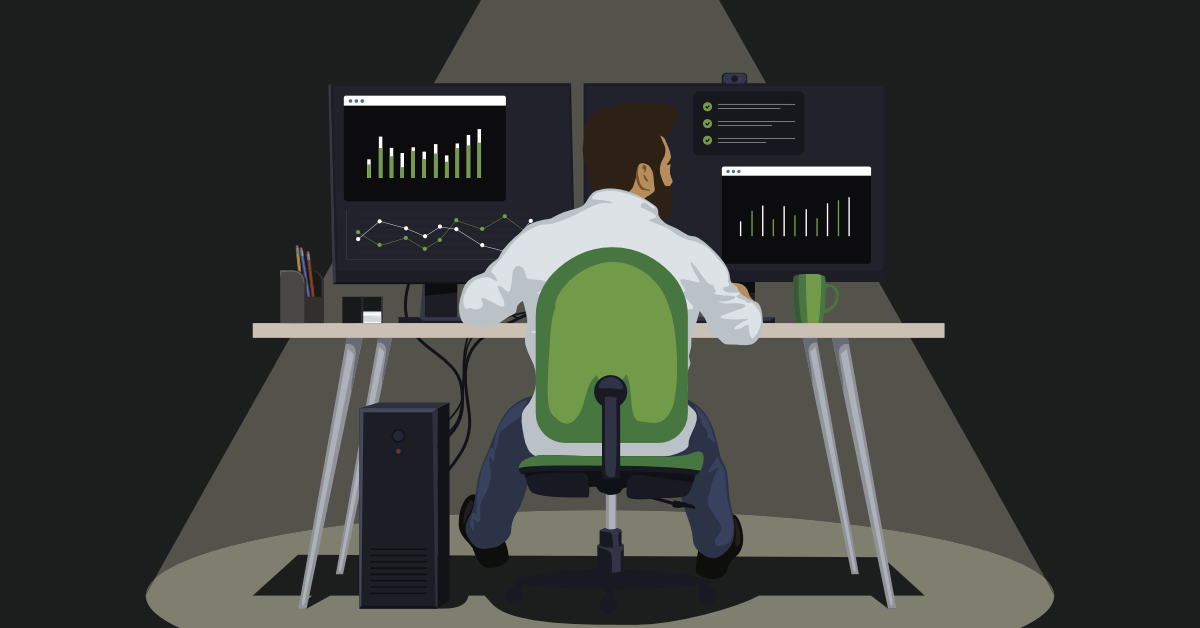
- Not because you enjoy it.
- Because it’s quiet.
- Because it’s faster to just do it yourself.
- Because, honestly, you can.
At this stage, doing everything yourself feels like part of the job. Product decisions during the day. Customers, hiring, and investor emails in between. Bookkeeping after hours, once everything else slows down.
And this can work; for a while.
But midnight bookkeeping is a phase, not a strategy. (At least, it should be a phase!) And it quietly stops working long before most founders realize it.
The Problem Isn’t Capability. It’s Leverage.
Most SaaS founders are more than capable of handling their own books early on. The tools are accessible. The basics might not seem too difficult. And when cash is tight, it makes sense.
The issue isn’t whether or not you can do it.
It’s what you’re giving up by continuing to do it as your company grows.
Bookkeeping isn’t just record-keeping in SaaS. It’s the foundation for:
- Understanding real revenue (not just cash in Stripe)
- Building metrics investors actually trust
- Making faster decisions with less guesswork
When that work lives in the margins of your day, it tends to stay reactive and backward-looking instead of looking to what is coming next.
What Founders Are Actually Missing
DIY bookkeeping rarely fails because of obvious mistakes. It fails because of blind spots.
Here’s what tends to get missed when founders handle the books themselves:
1. Time for the Work That Actually Scales the Business
Every hour spent reconciling transactions is an hour not spent on:
- Talking to customers
- Improving the product
- Hiring the right people
- Preparing for fundraising
2. Investor-Grade Financials Don’t Happen By Accident
Most founders don’t realize their books aren’t “investor-ready” until someone asks a follow-up question they can’t confidently answer.
Things like:
- “How are you recognizing revenue?”
- “Can you explain this MRR movement?”
- “Why does this number look different here than in the deck?”
By the time you’re fundraising, it’s already too late to be rebuilding financial foundations at midnight.
3. SaaS Metrics Depend on How the Books Are Built
You can’t separate SaaS metrics from SaaS bookkeeping.
MRR, churn, CAC, runway — all of them depend on:
- Consistent categorization
- Proper revenue recognition
- Systems designed for subscriptions, not just transactions
This is where DIY setups and generic bookkeeping break down. Not because they’re “wrong,” but because they weren’t built for where the company is going.
Scaling Requires Fewer Hats, Not More Endurance
Early-stage founders wear every hat. That’s normal, and impressive.
Scaling should be reframed as the process of putting hats down. It’s not because you can’t wear them, but because the business grows faster when you don’t have to.
Midnight bookkeeping is a sign of commitment.
Letting go of it is a sign of intent.
Intent to:
- Scale responsibly
- Raise capital without scrambling
- Spend your best hours on decisions that move the company forward
The Shift Most Founders Eventually Make
At some point, successful SaaS founders stop asking: “Can I do this myself?”
And start asking: “Is this the best use of my time right now?”
That’s usually the moment bookkeeping stops being an afterthought and starts becoming infrastructure.
It’s usually not flashy. It’s not an emergency. It is, however, foundational.
A Quiet Final Thought
If your books only get attention when everything else is done, they’re probably limiting what you can do next.
Midnight bookkeeping got you here. It just isn’t what gets you to the next level.
If you’re starting to ask whether doing the books yourself still makes sense, schedule a call with us so you can dedicate your hours to taking your company to the next level.